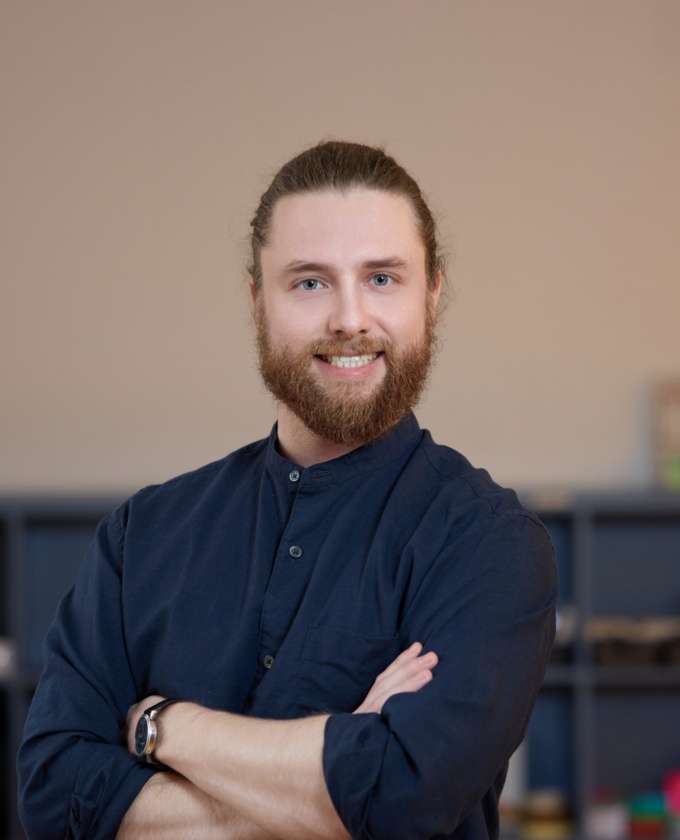
I'm a Professional AI Engineer at Ergon Informatik in Zürich, designing and building custom AI solutions with a focus on RAG systems and agentic workflows. Previously, at bbv Software Services, my team and I built the Swiss AI Hub — a Swiss-made, model-agnostic AI platform for organizations of any size — and I led customer AI projects as Dev Lead.
I studied Informatics at the University of Zürich, earning a Bachelor's in Software Systems and a Master's in Artificial Intelligence. Throughout my studies I worked as a software engineer: first at swissbiomechanics (an ETH spin-off), then at PolygonSoftware where I worked as a full-stack developer leading customer projects, and at Ergon Informatik on workforce planning software for retail — before moving to bbv as an AI Engineer.
I grew up in Galgenen in the canton of Schwyz and, after a year of military service, studied Informatics at the University of Zürich, where I spent over six years — first a Bachelor's in Software Systems, then a Master's specializing in Artificial Intelligence. For my bachelor thesis I built a general-purpose range join algorithm for PostgreSQL, which won the Semesterpreis HS20 — a faculty-level award from the Faculty of Business, Economics and Informatics, recognizing one of only four students across the entire faculty that semester. The thesis took me to the Free University of Bozen-Bolzano for a research stay in South Tyrol. For my master's I dove into time series databases and the Kronecker decomposition — an unusual intersection of linear algebra and data compression that I found genuinely fascinating. The programme included an exchange semester at the National Taiwan University in Taipei, where I lived for four months, took a semester of Mandarin, and explored East Asia.
Throughout my studies I was always working alongside. My first real software job was at swissbiomechanics, an ETH spin-off, where I single-handedly built a Java application for tracking biomedical analyses and generating clinical reports. That threw me into the deep end of stakeholder communication and independent project ownership at twenty-two. From there I moved to PolygonSoftware, a startup founded by fellow UZH graduates, where I spent three years leading full-stack development and diving into computer vision and machine learning. I designed architectures, supervised dev teams, and talked directly with clients — the kind of small-company work where you end up doing a bit of everything and learning fast.
After finishing my Master's, I joined Ergon Informatik, one of Zürich's most respected software houses, and worked on a time-tracking and workforce planning system for the retail sector. There I sharpened my craft in enterprise Java and Kotlin, handled the full delivery cycle from requirements to support, and found that I really enjoyed mentoring — whether that was onboarding new team members or organizing IT workshops for local students. I loved working at Ergon but left after about a year when bbv offered the chance to move into my preferred specialization: AI.
From there, at bbv Software Services in Zürich, I developed the Swiss AI Hub together with my team — a comprehensive, Swiss-made enterprise AI platform — and designed its architecture together with the software architect. Beyond the platform, I designed and implemented customized AI solutions — especially RAG systems — for customer projects in industry and market research, and served as technical lead (Dev Lead) on these AI projects. I also operated and maintained the platform at customer sites. It sat at the exact intersection of my interests: real engineering problems, cutting-edge AI, and the challenge of making complex technology usable and trustworthy for organisations that can't afford to get it wrong.
Today I've returned to Ergon Informatik as a Professional AI Engineer, continuing my work on demanding AI solutions.
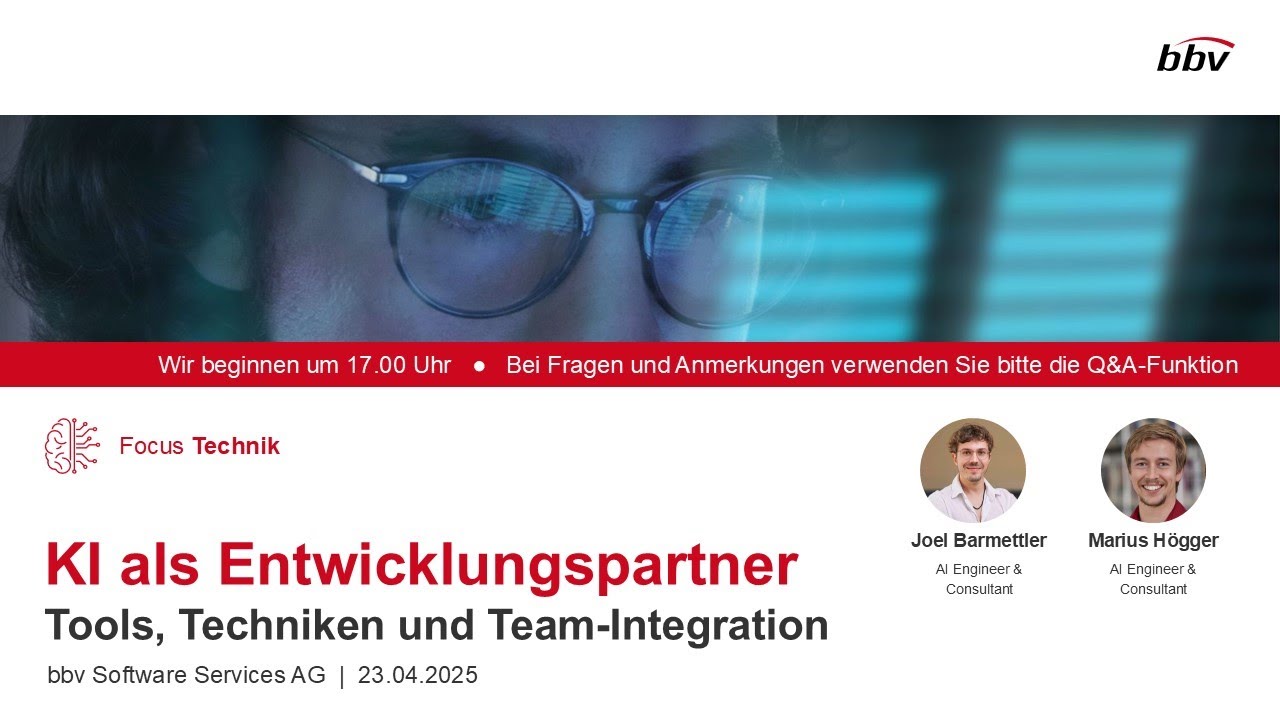
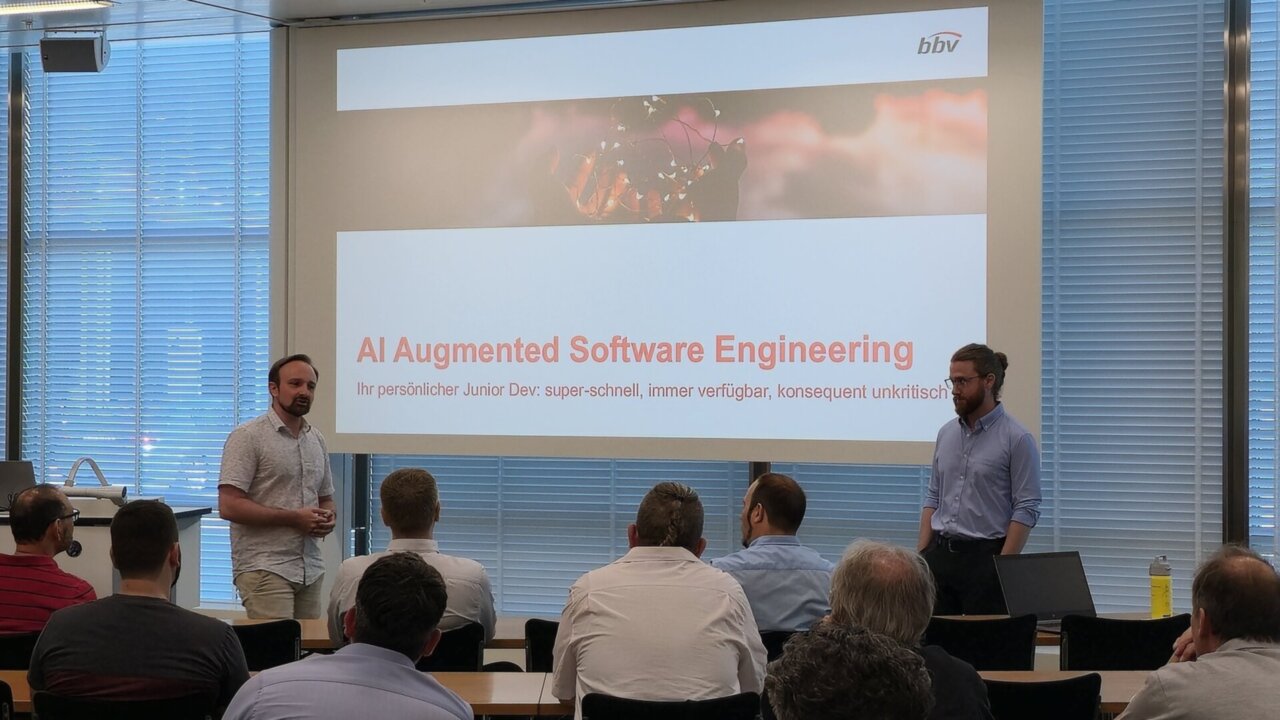
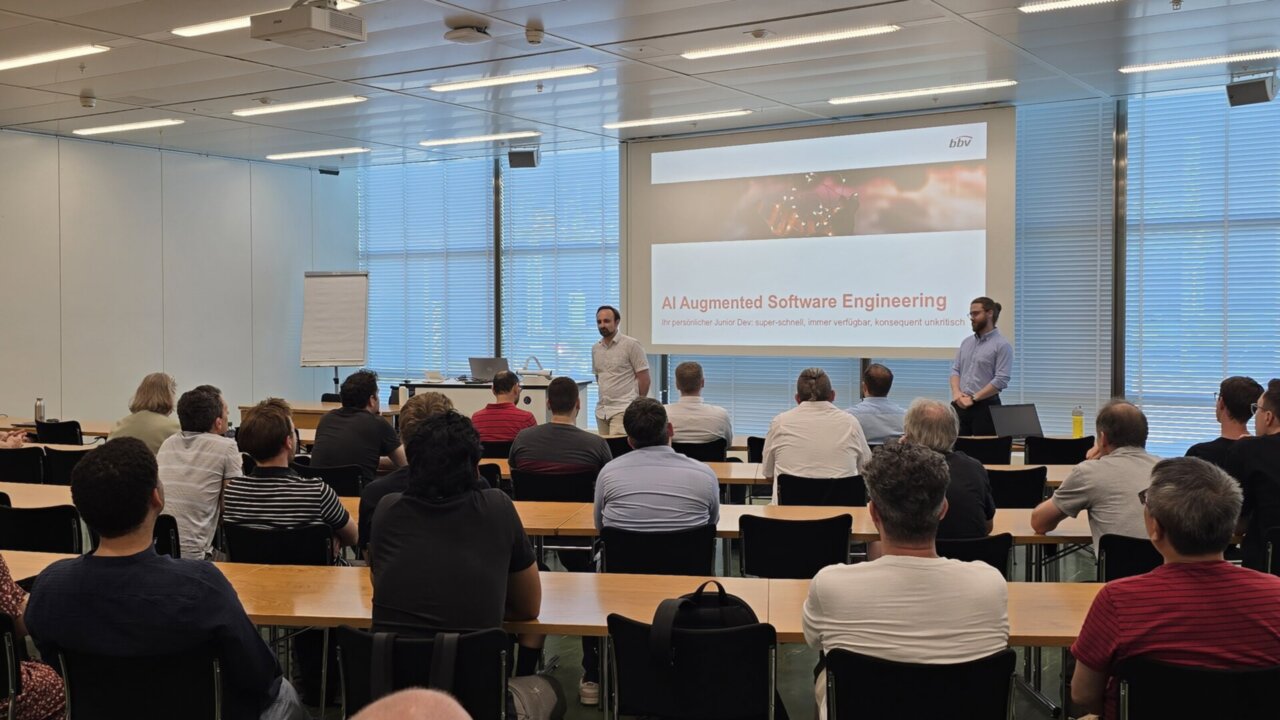
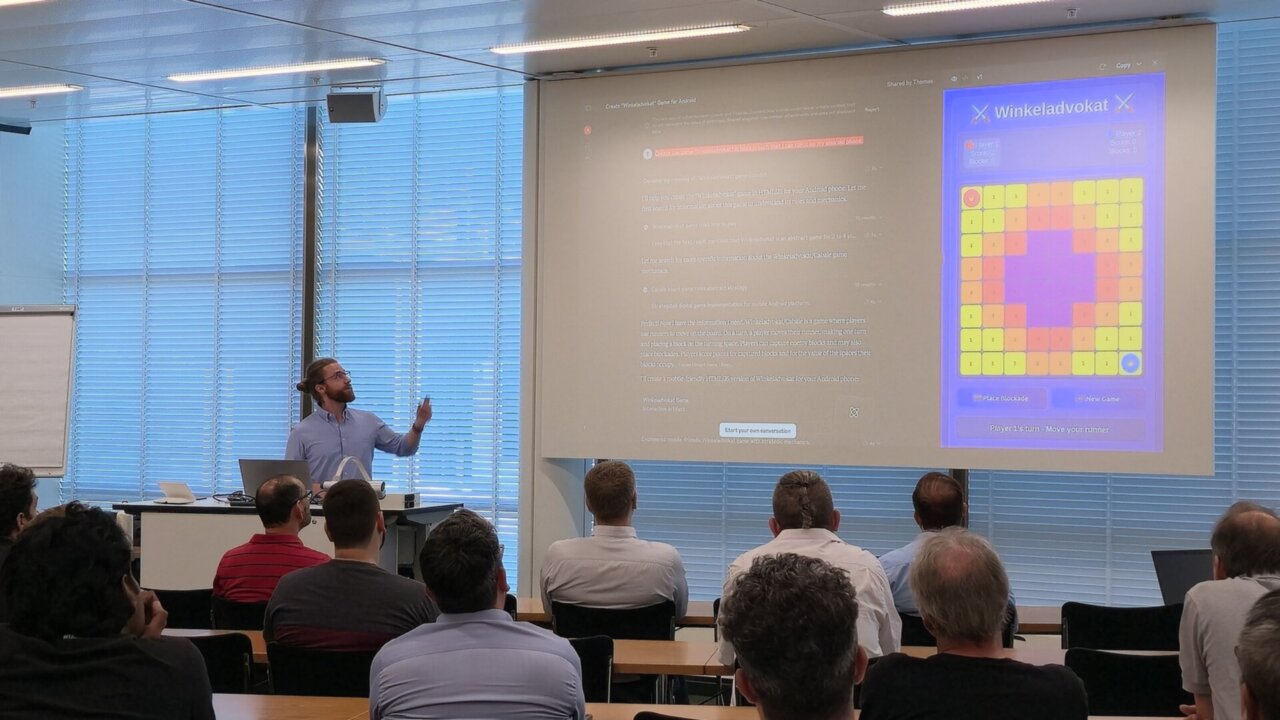
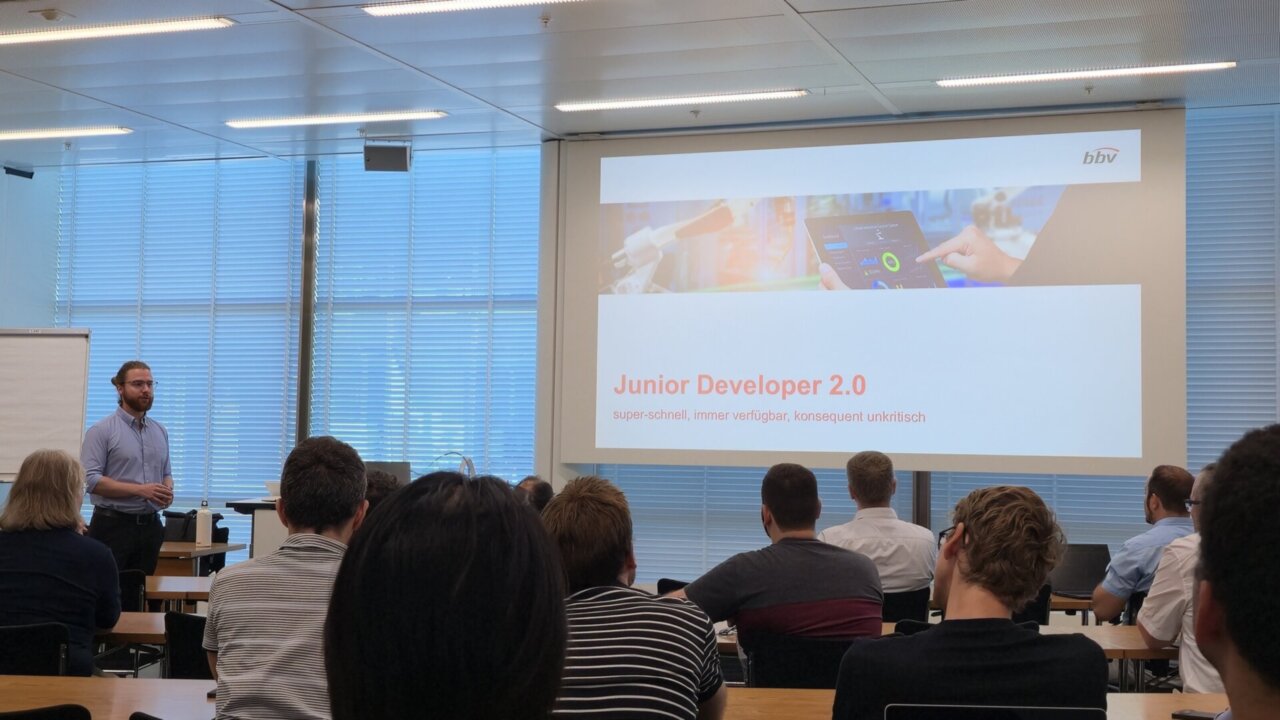
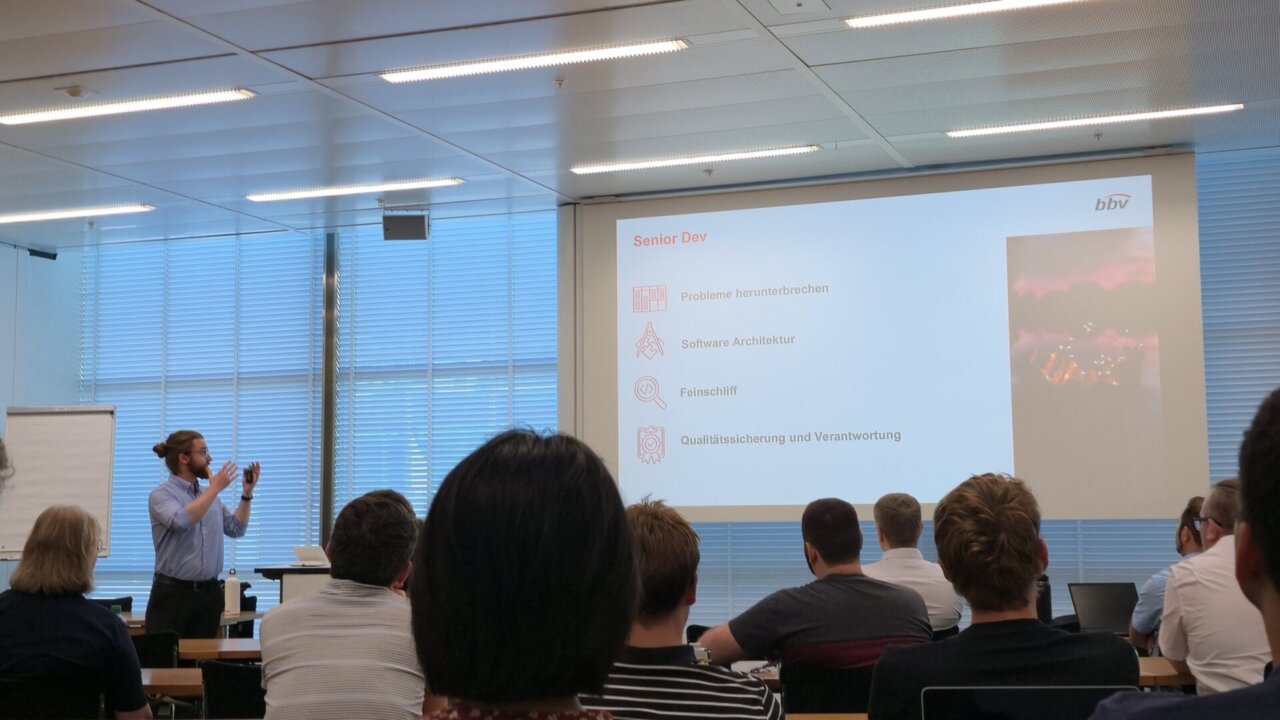
I also speak and write about AI-augmented software engineering — how AI is changing the way we build software, not just the software itself. I've given talks at the FHNW Alumni Event and bbv webinars on practical methods for integrating AI into the development lifecycle, from requirements analysis through to testing, and in 2026 taught a full-day session on AI for software architecture in the FHNW CAS in AI for Software Engineering.
My technical toolkit centres on Python, TypeScript, and Java/Kotlin, with deep experience in agent orchestration, RAG, and the Model Context Protocol. I'm fluent in German and English, and speak some French. And when I'm not coding — hot tea, cold beer, good food, thick books, old music, and long boardgame nights.